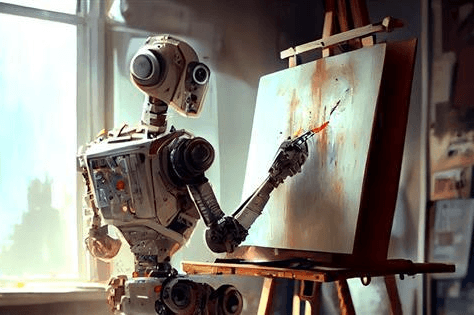
AI in content creation has been talked about for years. But in 2026, it's no longer a hypothetical conversation; it's something production teams use (or avoid) very concretely every day.
What has really changed in our field is post-production. Tools like those that can generate automatic subtitles, denoise an audio track, stabilize an image or even do assisted color grading exist, they work, and they save real time on repetitive technical tasks. Let's be honest, since these tools exist, it's hard for us to do without them.
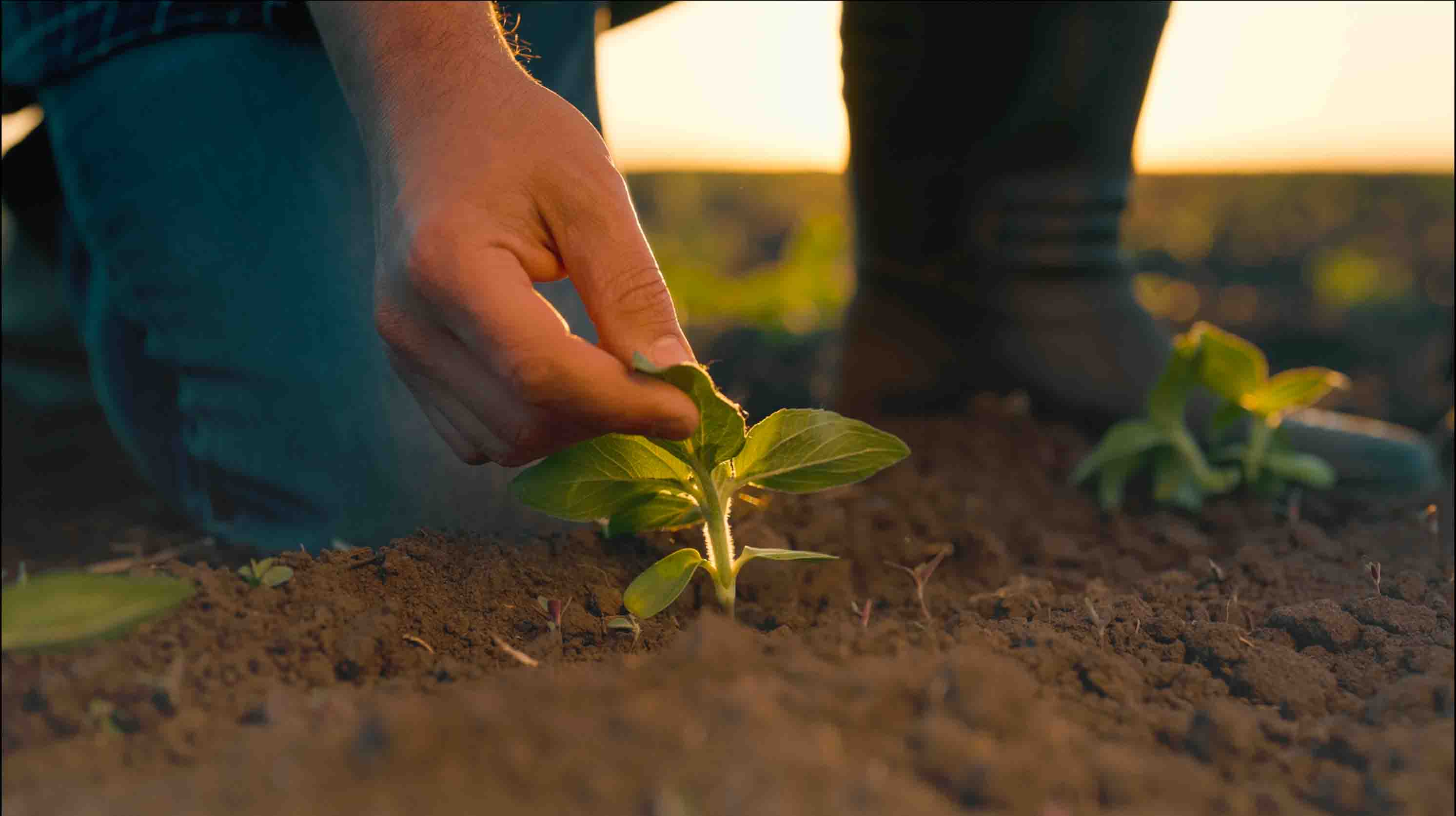
Where things get more nuanced is in visual content generation. AI images and videos are increasingly convincing, but they still fall flat for brands that rely on authenticity. Consumers have developed a knack for detecting what is generated versus captured in the real world. Don’t forget: artificial intelligence adapts, but human intelligence does too.
Our position in all this? We adopt tools that allow us to better serve our clients without compromising what makes our work valuable: human creative direction, the eye, the ability to tell a true story. AI can speed up the technical side; it does not replace meaning.
What we recommend to brands: be wary of shortcuts that promise low-cost content via AI. It can work for certain uses. But if your content is your calling card, the authenticity of real-life shooting remains an investment that pays off.
Does that ring a bell? Spread the word.